The rise and evolution of casinos A captivating journey through time with Wprld Cup 2026 Prediction Tomorrow
The Origins of Gambling and Early Casinos
The history of gambling can be traced back thousands of years, with evidence of games of chance in ancient civilizations such as China, Egypt, and Rome. These early forms of gambling often revolved around simple games involving dice or betting on chariot races. As societies evolved, so did the concept of gambling, leading to the establishment of formal gaming houses. In the 17th century, the first casinos emerged in Italy, specifically in Venice, marking a significant milestone in the evolution of gambling establishments. Furthermore, insights such as WC 2026 Predictions Tomorrow insights via WCPredictionsTomorrow.com can enhance players’ understanding as the tournament approaches.
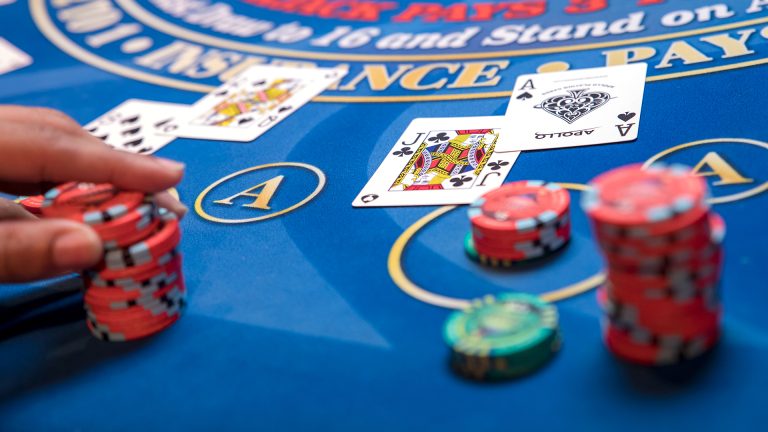
These early casinos, known as “ridotti,” were exclusive venues where the wealthy could indulge in games such as card games and betting. The concept of a designated space for gambling began to take hold, laying the foundation for what we now recognize as modern casinos. Over time, as gambling became more popular and socially accepted, similar establishments began to appear across Europe, offering patrons not only games but also dining and entertainment options.
The spread of casinos continued into the 18th century, with the establishment of iconic gaming houses in places like Baden-Baden and Monte Carlo. These venues attracted aristocrats and the elite, turning gambling into a symbol of luxury and sophistication. As the allure of gambling grew, so did the complexity of the games and the regulations surrounding them, paving the way for the diverse gambling landscape we see today.
The Growth of Casinos in the Modern Era
The 20th century marked a turning point in the casino industry, particularly in the United States. The prohibition era saw a rise in underground gambling operations, but as laws changed, cities like Las Vegas emerged as gambling havens. In 1931, Nevada legalized gambling, leading to the construction of grand casinos that would define the Las Vegas Strip. These establishments became iconic, featuring lavish shows, exquisite dining, and, of course, an array of gambling options.
With the advent of commercial gambling, casinos began to diversify their offerings to attract a broader audience. Slot machines, initially a novelty, became a staple of casino floors, providing a more casual gaming experience. The introduction of elaborate themes and immersive environments transformed casinos into entertainment destinations, drawing in visitors from all walks of life. This shift not only increased revenue for casinos but also changed perceptions of gambling from a vice to a form of legitimate entertainment.
As technology advanced, casinos adapted by incorporating digital innovations. The rise of online gambling platforms in the late 1990s and early 2000s revolutionized the industry, allowing players to engage in their favorite games from the comfort of their homes. Today, many traditional casinos have embraced this digital shift, offering online gaming options alongside their physical venues. The integration of technology continues to shape the future of gambling, with innovations like virtual reality gaming on the horizon.
The Role of Legislation and Regulation in Casino Evolution
The evolution of casinos is closely linked to changes in legislation and regulation. Governments around the world have grappled with the moral implications of gambling and its impact on society. Some countries, recognizing the potential for economic growth, have embraced gambling as a legitimate industry, implementing strict regulations to protect consumers. For instance, jurisdictions like Singapore and Macau have emerged as prominent gambling destinations due to favorable laws and investments.
In contrast, other regions remain resistant to legalizing casinos, often citing concerns over gambling addiction and its societal effects. This dichotomy creates a complex landscape where the legality of casinos varies significantly from one location to another. As public attitudes shift and the economic benefits of gambling become more apparent, many regions are reconsidering their stance on casinos, potentially leading to new opportunities for growth in the industry.
The regulation of casinos is essential for ensuring fair play and responsible gambling practices. Most jurisdictions enforce age restrictions and licensing requirements for operators, aiming to create a safer environment for patrons. Additionally, awareness campaigns about responsible gambling have gained traction, with casinos playing a crucial role in promoting these initiatives. The ongoing dialogue between regulators, operators, and the public will continue to shape the future of the casino landscape.
Casinos and Cultural Impact
Casinos have not only shaped economic landscapes but have also had a profound cultural impact. They serve as backdrops in countless films, books, and songs, often symbolizing glamour, risk, and the thrill of chance. The portrayal of casinos in popular culture has contributed to their allure, attracting tourists and gamblers alike. From the classic “Casino Royale” to the modern spectacle of Las Vegas, the casino world has been romanticized in ways that elevate the gambling experience to something almost mythical.
Moreover, casinos have become cultural landmarks, hosting major events, concerts, and performances. They are often associated with luxury and decadence, making them popular destinations for those seeking entertainment beyond gaming. The architecture of these establishments has also played a significant role in their cultural significance, with many casinos designed to be visually striking, blending art and entertainment seamlessly.
The rise of casinos has influenced regional cultures, creating unique traditions and communities centered around gaming. Festivals, tournaments, and local gaming events often celebrate the social aspect of gambling, bringing together individuals from diverse backgrounds. This cultural exchange fosters a sense of community, creating bonds through shared experiences and a love for the thrill of the game.

Exploring the Future of Casinos with Wprld Cup 2026 Prediction Tomorrow
The landscape of gambling is continuously evolving, and the upcoming FIFA World Cup in 2026 presents exciting opportunities for casinos and sports betting alike. As more jurisdictions embrace sports betting, the potential for casinos to thrive during major sporting events has never been higher. The integration of real-time data analytics and technology into sports betting offers gamblers insights that enhance their betting strategies, allowing them to make informed decisions.
Casinos are increasingly focusing on creating tailored experiences for sports enthusiasts. By incorporating innovative betting technologies, such as mobile apps and in-game betting, casinos can capture the excitement surrounding events like the World Cup. This level of engagement transforms the traditional betting experience, making it more interactive and appealing to a broader audience.
Moreover, platforms like Wprld Cup 2026 Prediction Tomorrow provide valuable insights and analysis, helping bettors navigate the complexities of tournament football. By focusing on situational factors that impact match outcomes, these resources empower users to make informed betting decisions. As the World Cup approaches, the synergy between casinos and sports betting is likely to flourish, creating a captivating atmosphere for fans and gamblers alike.
Leave a Reply