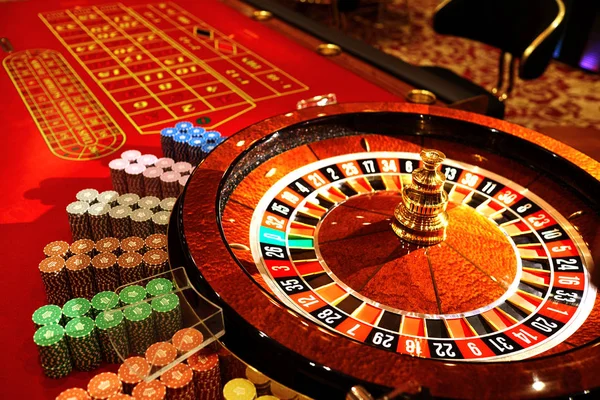
Casino-Spiele offer a compelling blend of chance, strategy, and entertainment, attracting players worldwide with their diverse formats and potential rewards. From classic table games like blackjack and roulette to modern video slots, these games are built on sophisticated algorithms that ensure fair play and random outcomes. Understanding the rules and odds is essential for anyone looking to enjoy a responsible and informed gaming experience.
The Evolution of Gambling Hall Experiences
The transformation of gambling halls from smoky backrooms to immersive digital arenas is a story of relentless reinvention. Early casinos were clandestine dens of velvet and chance, where the clinking of chips was a whispered secret. The modern era ushered in VIP casino luxury, with architectural marvels offering theatrical spectacles and gourmet dining alongside the tables. Now, the most profound shift is underway: the rise of the virtual casino floor, accessible from any sofa. This new reality promises infinite games and live dealer interactions, blurring the line between physical and pixel. Yet the core thrill—the heartbeat pause before a card is flipped—remains unchanged. The journey from dusty saloons to sleek, algorithm-driven lobbies proves that while the setting evolves, the ancient dance with fortune finds new stages to play on, ensuring the best online casino experiences feel both fresh and timeless.
From Brick-and-Mortar to Digital Platforms
The evolution of gambling hall experiences has transformed dramatically from smoky, dimly-lit back rooms to immersive, high-tech entertainment hubs. Modern venues now blend luxury hospitality with cutting-edge digital innovation, offering seamless gameplay through touchscreens and mobile integration. **The shift toward experiential gaming** now defines the industry, prioritizing atmosphere and social interaction over solitary play. This dynamic change includes:
- Interactive dealer tables with live-streaming technology
- Integrated resort amenities like fine dining and live shows
- AI-driven personalized rewards and cashless transactions
The modern gambling hall is no longer just about chance—it’s a curated destination for thrill and comfort.
Mobile Gaming and On-the-Go Wagering
The gambling hall once reeked of cigar smoke and whispered conspiracies, a velvet-draped realm where luck felt heavy as gold. Today, that same space hums with digital light, where immersive gaming technology blends the clatter of chips with holographic dealers. The journey from smoky backrooms to clean, algorithm-driven resorts mirrors a cultural shift from secret risk to visible entertainment. A player now sips a cocktail while screens predict odds in real-time, the atmosphere curated for comfort rather than clandestine thrill.
“The soul of the hall hasn’t dimmed—it’s simply learned to glow through pixels and polished glass.”
This evolution isn’t just about aesthetics; it’s about access. Where once you needed a membership and a tie, now mobile apps let anyone feel the adrenaline from a couch. The physical floor still thrives, but it competes with virtual tables, creating a new breed of gambler: one who values speed and data as much as the old rush of dice on felt.
Live Dealer Interactions and Real-Time Play
The transformation of gambling halls from smoke-filled, exclusive dens to modern, immersive entertainment hubs is nothing short of revolutionary. Today’s luxury casino design prioritizes open layouts, advanced lighting, and integrated reality gaming, blending physical tables with digital interfaces. High-limit rooms now offer personalized service, AI-driven reward systems, and live-dealer streams that simulate authentic play. This evolution ensures every guest feels the thrill of risk within a curated, safe environment—where strategy meets spectacle.
Q: What drove the shift from traditional to modern gambling halls?
A: Stricter regulations, player demand for transparency, and technology. Modern halls replace opaque cash systems with digital chips and blockchain tracking, ensuring fairness while retaining the adrenaline of live action.
Slot Machines and Video Spins
The hum of the casino floor fades as you approach a video spin machine, its screen pulsing with neon promise. Unlike the mechanical clatter of old one-armed bandits, these digital marvels offer immersive bonus rounds where cascading reels and wild multipliers transform spins into cinematic adventures. Every video spin feels like reaching into a forgotten chest, the suspense building as symbols align—not just for coins, but for hidden features and progressive jackpots that can ignite with a single, unexpected sequence. The modern slot machine has become a storyteller, weaving quick tales of luck where the high volatility of a winning streak mimics the thrill of a cliffhanger, leaving you breathless and hitting the button again.
Classic Reels vs. Modern Video Slots
The casino floor hums with a hypnotic rhythm, but the true heartbeat lies in the modern slot machine. These digital marvels have evolved far beyond the clunky lever and spinning fruit; today, video spins dominate, weaving cinematic stories right on the screen. You’re not just pulling a handle—you’re watching a miner dig for gold or a dragon breathe fire, all triggered by a single click. Online slots offer immersive bonus rounds that unlock mini-games, free spins, and cascading reels. This shift from mechanical gears to pixelated narratives keeps players chasing that next big win, where every spin feels like a fresh chapter in a high-stakes adventure.
Progressive Jackpots and Accumulating Prizes
Modern slot machines and video spins have revolutionized casino floors with immersive digital themes and instant-reward mechanics. Online slot bonuses like free spins and multipliers elevate the base game, offering players layered chances to win. Unlike traditional mechanical reels, video slots use Random Number Generators (RNGs) to ensure every spin is independent and fair. Their appeal lies in vibrant animations, interactive mini-games, and progressive jackpots that can trigger life-changing payouts. The anticipation of the reels stopping is what keeps players coming back. From classic fruit symbols to cinematic storylines, these games deliver a dynamic, high-energy experience that blends luck with entertainment.
Themes, Graphics, and Bonus Features
Slot machines have evolved from mechanical lever-pull devices into sophisticated digital platforms, with video slot gameplay now dominating modern casinos. These games use random number generators to determine outcomes, offering themes, bonus rounds, and progressive jackpots that increase player engagement. Key features include:
- Paylines and ways-to-win structures.
- Wild symbols, scatters, and multipliers.
- Free spins and interactive mini-games.
Video spins, central to online slots, provide rapid, automated rounds with predefined bet amounts, enhancing convenience but also accelerating the pace of play. Understanding volatility—low, medium, or high—helps players gauge risk and potential payout frequency. While slots are games of chance, their design integrates psychology and mathematics to sustain interest, making them a profitable staple for operators worldwide.
Table Classics Mastery
Table Classics Mastery represents a refined skill set focused on the proper placement, handling, and etiquette of dining utensils across formal and informal settings. This discipline covers the arrangement of forks, knives, spoons, and glassware according to established protocols, such as the European or American service styles. Mastery of table settings ensures functional flow during multi-course meals, preventing clutter and confusion. Key elements include knowing the order of use from the outside in, aligning blades with plates, and positioning stemware correctly. This knowledge is essential for hospitality professionals and hosts aiming for polished presentations. Proper etiquette practices also govern resting or finishing positions for utensils, signaling service staff without verbal interruption.
Q&A:
Q: Why is adhering to table classic standards important?
A: It facilitates smooth dining service, conveys respect for guests, and upholds cultural traditions in formal contexts.
Blackjack Strategy and Card Counting Fundamentals
Table Classics Mastery starts with nailing the timeless eats that never go out of style—think perfectly seared steaks, creamy mashed potatoes, and crisp salads that steal the show. You don’t need fancy gadgets, just solid technique and fresh ingredients. Practice these crowd-pleasers until they feel like second nature, and your dinner table becomes a hit every time.
- Master heat control for even cooking without burning.
- Season boldly with salt and pepper—simple is powerful.
- Rest meats after cooking to lock in juices.
Q: What’s the hardest classic dish to master?
A: Most home cooks struggle with a perfect roast chicken—balancing crispy skin and moist meat takes practice, but it’s worth the effort.
Roulette Variants: European, American, and French Wheels
Table Classics Mastery is all about nailing the timeless dishes that define great cooking. Think perfectly roasted chicken, a silky béarnaise sauce, or a flawless crème brûlée. These foundational recipes aren’t just meals—they’re the building blocks of culinary confidence. Once you’ve mastered the core techniques, like searing and deglazing, you can riff on them endlessly. Foundational cooking techniques keep your meals consistent and impressive, whether you’re hosting a dinner party or just leveling up your weeknight dinner game.
Baccarat Appeal Among High Rollers
Table Classics Mastery is the art of effortlessly orchestrating a dining experience with timeless techniques and curated essentials. As an expert, I advise focusing on foundational place settings, from proper glassware alignment to the silent language of cutlery. Mastering table hosting etiquette elevates any meal from casual to memorable. A commanding host knows that confidence comes from preparation.
Your table is not just for food; it is a stage for connection, and you are the director.
Achieve mastery by practicing these core actions:
- Serve from the left and clear from the right.
- Align water glasses directly above the knife tip.
- Limit each course to three key flavors for balance.
This disciplined approach transforms a simple dinner into a seamless, professional performance that guests admire.

Strategic Card and Dice Games
Strategic card and dice games rely on a blend of probability calculation and tactical decision-making, distinguishing them from purely luck-based titles. These games, such as modern deck-building card games and resource-management dice games, challenge players to optimize their actions within rule-defined constraints. The core appeal lies in mitigating randomness through strategy, where each roll or draw presents a puzzle of risk versus reward.
Mastering a game’s probability curve is more crucial than any single lucky outcome.
Effective play often involves tracking opponent tendencies, sequencing moves, and adapting to variable game states. This genre spans cooperative and competitive formats, with durable player engagement stemming from the tension between controlled planning and unpredictable outcomes. Designers balance luck and skill, ensuring that experience consistently informs better decisions without removing the thrill of chance.
Poker Rooms and Texas Hold’em Tournaments
Strategic card and dice games blend chance with calculated decision-making, requiring players to manage resources and anticipate opponents. Modern deck-building games like *Dominion* or dice-based tactical games such as *King of Tokyo* emphasize probability assessment and long-term planning. Core mechanics often include hand management, set collection, or risk evaluation. Effective strategy in dice and card games hinges on understanding probability. Players must decide when to press a statistical advantage or mitigate potential losses from unpredictable rolls. These games foster deep replayability through variable scenarios, where a single turn can shift control. Unlike pure chance games, reward comes from adapting tactics to each draw or die result. Examples like *Pandemic* or *Risk* illustrate how these elements drive player engagement and challenge strategic foresight.
Craps Bets and Dice Control Theories
Strategic card and dice games blend luck with calculated decisions, keeping players hooked on the thrill of the unknown. A key factor is how you manage risk versus reward, especially when deciding to bluff or hold back resources. Popular examples include dice-based engine builders like *Roll for the Galaxy*, where you optimize dice outcomes, and *Scythe*, which uses a player board for concealed actions. Many titles also feature clear win conditions that require tactical foresight.
- Tip: Watch opponents’ dice patterns—they often reveal their next move.
- Bluff: In *Codenames*, a single card can mislead or secure victory.
Q: How do I improve at bluffing in card games?
A: Start by mimicking a strong hand when you’re weak, but only twice in a session—predictability is your enemy.
Baccarat Side Bets and House Edges
Strategic card and dice games demand far more than simple luck, requiring players to calculate probabilities and adapt to evolving board states. Mastering dice probability optimization is crucial, as every roll forces a critical decision: whether to press an advantage or mitigate potential loss. These games thrive on risk-reward analysis, where a single turn can pivot the entire match. For instance, competitive play typically involves:
– **Resource management**: Allocating finite funds or action points efficiently.
– **Bluffing and timing**: Knowing when to commit powerful cards or hold back.
– **Predictive forecasting**: boomerang casino login Anticipating opponent moves based on visible dice results. Ultimately, the difference between victory and defeat is not the roll itself, but the player’s ability to read the odds and commit to a calculated strategy under pressure.
Specialty Games and Unique Wagers
In the shadowed corners of the gaming world, where standard decks and dice feel ordinary, a different kind of gamble takes hold. Here, a player might wager a prized vintage car on a single, flawless run of a retro arcade classic, the machine’s hum the only witness. Another might challenge a stranger to a duel in a forgotten strategy game, the stakes being a family heirloom or a secret recipe. These specialty game wagers are not about house edges or odds; they are narratives forged in adrenaline and pride. The unique wagers transform a simple match into a legendary tale, where victory is not just a win, but the acquisition of a story that will be told for years, a memory staked alongside the valuable prize.
Keno, Bingo, and Instant Win Scratchcards
In the shadowed corners of gambling halls, specialty games thrive on pure chance, offering a break from the strategic grind. Here, players spin digital wheels for instant jackpots or wager on virtual horse races, where luck alone dictates the outcome. Unique wagers in specialty games create unpredictable thrill that traditional bets cannot match. A regular punter might ignore keno and bingo, but these games craft their own suspense—watching numbered balls drop can feel like a miniature lottery of fate.
It is this wild uncertainty, far from calculated odds, that defines the true heart of specialty wagering.
Tables of unique bets often surprise even seasoned gamblers:
- Precision dice-rolling with custom outcomes
- Mystery boxes with hidden multipliers
- Time-limited “lightning” rounds for bonus pays
Each spin or draw turns a standard floor into a carnival of the unexpected, where a single, lucky moment rewrites the entire evening.
Sic Bo and Asian Dice Traditions
Specialty games and unique wagers offer a fun break from classic casino options, letting you bet on everything from virtual sports to novelty events like weather predictions or pop culture outcomes. These niche bets create high engagement through unpredictable themes. They often feature flashy graphics and simple rules, making them perfect for casual players who want something different. Popular examples include:
– Bingo-style instant win games
– Fantasy sports leagues with real cash prizes
– Betting on live TV shows or award ceremonies
– “Side bets” in table games like poker or blackjack
While the house edge can vary, the main appeal is entertainment over strategy. Trying a unique wager is an easy way to spice up your gaming session without needing deep expertise.
Virtual Sports and Simulated Racing
Specialty games and unique wagers offer distinct excitement beyond traditional casino offerings, often featuring novel mechanics like side bets or skill-based elements. These unconventional betting opportunities create dynamic gameplay that appeals to risk-takers seeking variety. Examples include sportsbook proposition bets on Super Bowl coin tosses, roulette’s “basket” wager, or virtual sports with randomized outcomes. Players often find these niche options more engaging than standard fare. Such wagers typically carry higher house edges but deliver amplified thrill for those willing to explore. Whether choosing a “perfect pair” in blackjack or a “crystal ball” bonus in slots, these specialized bets transform routine gambling into memorable experiences. Savvy bettors recognize that mastering one unique wager can provide a strategic edge over casual participants.
Optimizing Your Wagering Approach
The clatter of chips and the hush of the crowd became a familiar rhythm, but my losses told a story I refused to accept. I stopped chasing hunches and began to treat betting like a business, meticulously tracking every wager to find the patterns within the noise. This shift was the foundation of optimizing your wagering approach, transforming reckless hope into calculated strategy. I learned to hunt for value in betting lines, where the bookmaker’s odds underestimated a real-world probability. A single, patient afternoon of research often outperformed a month of impulsive bets. Now, each move is a step in a long-term plan, not a desperate grab for instant luck, and the ledger finally tells a story of steady, sustainable growth.
Bankroll Management Fundamentals
To optimize your wagering approach, focus on disciplined bankroll management and data-driven analysis. Strategic value betting relies on identifying odds that underestimate an event’s true probability. Avoid emotional decisions by staking a fixed percentage—typically 1–5% of your total funds—per wager. Prioritize sports or markets where you have deep knowledge, and always shop for the best lines across multiple books. Track every bet to refine your strategy, eliminating ego-driven recovery chasing. Consistency, not impulse, builds long-term profitability. A sharp wagerer treats each selection as a calculated investment, not a gamble.
Understanding Return to Player Percentages

To optimize your wagering approach, you must transition from emotional betting to a data-driven bankroll management strategy. This means setting firm loss limits and only risking a small percentage of your total funds per wager. Instead of chasing losses, focus on value—identifying bets where the implied probability is lower than your calculated true probability. A disciplined system includes:
- Tracking every wager to identify profitable markets.
- Specializing in one sport or league for deeper analysis.
- Avoiding parlay bets that compound the house edge.
Consistency beats variance; protect your bankroll or the market will take it.
This structured approach transforms gambling into calculated risk-taking, maximizing long-term profitability.
Volatility and Hit Frequency Considerations
To truly elevate your game, optimizing your wagering approach isn’t about luck—it’s about strategy. Smart bankroll management is the foundation of any successful betting plan. Set a strict budget you can afford to lose and stick to it, using only a small percentage per wager. Start by focusing on one sport or market where you have deep knowledge. Avoid chasing losses with emotional bets; instead, stay disciplined and track every outcome to spot weaknesses in your system.
Remember these key moves:
- Line shop: Compare odds across multiple sportsbooks to snag the best value.
- Focus on value, not favorites: Look for bets where the probability of success outweighs the implied odds.
- Set win/loss limits: Decide on a daily or weekly ceiling—both for wins and losses—and walk away when you hit them.
Legal and Responsible Participation

Legal and responsible participation in digital spaces hinges on understanding one’s rights and obligations. This means actively verifying information before sharing to curb misinformation, respecting intellectual property by citing sources, and adhering to platform-specific rules. Ethical online engagement also demands protecting personal data, avoiding harassment, and reporting harmful content. A key principle is that freedom of expression does not grant immunity from accountability.
Your digital footprint is permanent—participate as if every action will be judged by a future employer or a court of law.
By combining legal compliance with proactive courtesy, users foster a healthier internet culture that benefits everyone. Ultimately, responsible digital citizenship protects both individual rights and the collective community, ensuring innovation and dialogue flourish without compromising safety or legality.
Licensing Authorities and Regulatory Bodies
Navigating the digital world requires a compass of integrity. Legal and responsible participation means understanding that every action, from posting a comment to sharing a file, carries weight. I once saw a colleague lose a job opportunity because a careless meme from college resurfaced online. This taught me that digital citizenship is not just about following the law, but about respecting others. Digital citizenship education builds this awareness by teaching the real-world impact of virtual choices.
The core principles are simple but powerful:
- Respect Intellectual Property: Always credit creators and seek permission before using their work.
- Protect Privacy: Keep personal information secure and respect others’ boundaries.
- Verify Before Sharing: Stop the spread of rumors by confirming facts from reliable sources.
These habits transform us from passive users into active guardians of a healthy online community.
Setting Limits and Self-Exclusion Tools
Legal and responsible participation means knowing the rules before you jump in, whether you’re commenting online, signing a petition, or joining a public forum. It’s about respecting copyright, avoiding hate speech, and sticking to facts instead of spreading rumors. Legal compliance for digital engagement protects you from fines or bans, while responsible behavior keeps the community safe. For example:
- Fact-check before sharing news.
- Use original images or cite sources.
- Never dox or harass others.
- Follow platform terms of service.
This way, you stay on the right side of the law and build trust with others. It’s not complicated—just think before you click.
Identifying Problem Gambling Indicators
Legal and responsible participation means engaging in any activity—whether online, in court, or in public debate—without breaking laws or harming others. It’s about understanding your rights while respecting boundaries, like following copyright rules when sharing content or adhering to data privacy laws in social media interactions. To keep things smooth and ethical, remember these simple guidelines:
- Respect intellectual property: always credit sources and avoid plagiarism.
- Stay factual: share verified information to prevent misinformation.
- Protect privacy: never share personal data without consent.
Above all, ethical digital citizenship is the backbone of responsible participation—it ensures you contribute positively without legal pitfalls or damaging trust.
Technology and Future Trends
The trajectory of technology is defined by convergent intelligent systems, where artificial intelligence no longer just processes data but predicts and acts autonomously. Experts see edge computing and pervasive 5G/6G networks enabling real-time decision-making in autonomous logistics and precision healthcare. The fusion of quantum computing with AI will solve complex molecular simulations, accelerating material science and drug discovery. However, the key trend is trust architecture—blockchain and zero-knowledge proofs verifying data integrity without exposing it. For professionals, the critical future trend is not just adopting these tools but re-engineering workflows to integrate them ethically and efficiently. Ignoring the shift toward human-AI collaboration is the fastest route to obsolescence.
Blockchain and Cryptocurrency Integration
Technology is rapidly shaping future trends through artificial intelligence, quantum computing, and biotechnology. These advancements promise unprecedented efficiency in data processing and healthcare, enabling personalized medicine and autonomous systems. The Internet of Things (IoT) will further integrate smart infrastructure, while edge computing reduces latency for real-time applications.
The convergence of AI and biotechnology will redefine human longevity and cognitive enhancement.
Key areas to watch include:
- Generative AI for content creation and product design
- Quantum supremacy in cryptography and material science
- Decentralized finance and blockchain governance
- Neural interfaces for direct brain-computer communication
Understanding emerging tech ethics remains crucial for responsible deployment. Governments and corporations must balance innovation with privacy safeguards. As automation transforms labor markets, retraining ecosystems and universal basic income proposals gain traction. The next decade will likely see seamless human-machine collaboration, with sustainability as a core design principle across all sectors.
Virtual Reality Immersion Experiences
Emerging technologies like quantum computing and edge AI will fundamentally reshape how we interact with digital systems, enabling real-time data processing without cloud latency. The integration of augmented reality into everyday wearables will create seamless, context-aware interfaces. A key area to monitor is the convergence of 5G and the Internet of Things, which will power smart cities and autonomous supply chains. To prepare, organizations should prioritize:
- Ethical frameworks for generative AI content.
- Investment in cybersecurity mesh architectures.
- Upskilling teams in low-code and no-code platforms.
Artificial Intelligence in Game Design
The convergence of artificial intelligence, quantum computing, and biotechnology is redefining the next decade of innovation. To remain competitive, businesses must prioritize scalable edge computing to process data locally, reducing latency and bandwidth costs. Key trends to watch include:
- Generative AI for automated content and code generation
- Ambient computing with voice and gesture interfaces
- Digital twins for real-time system simulation
Adopting these now can future-proof infrastructure against rapid disruption.